Storm Damage Roof Repair in Ohio & Kentucky
When a storm hits, your roof is the first line of defense. Wind, hail, heavy rain, falling branches, and flying debris can all damage your roof, even when everything looks fine from the ground. Teal Ridge Roofing & Exteriors helps homeowners across Ohio and Kentucky inspect, document, and repair roof damage after severe weather. ‘Storm damage is not always obvious. That’s why a proper inspection matters.
Schedule a Free Storm Damage Inspection For Emergency Services, Contact This Number
What Counts As Storm Damage?
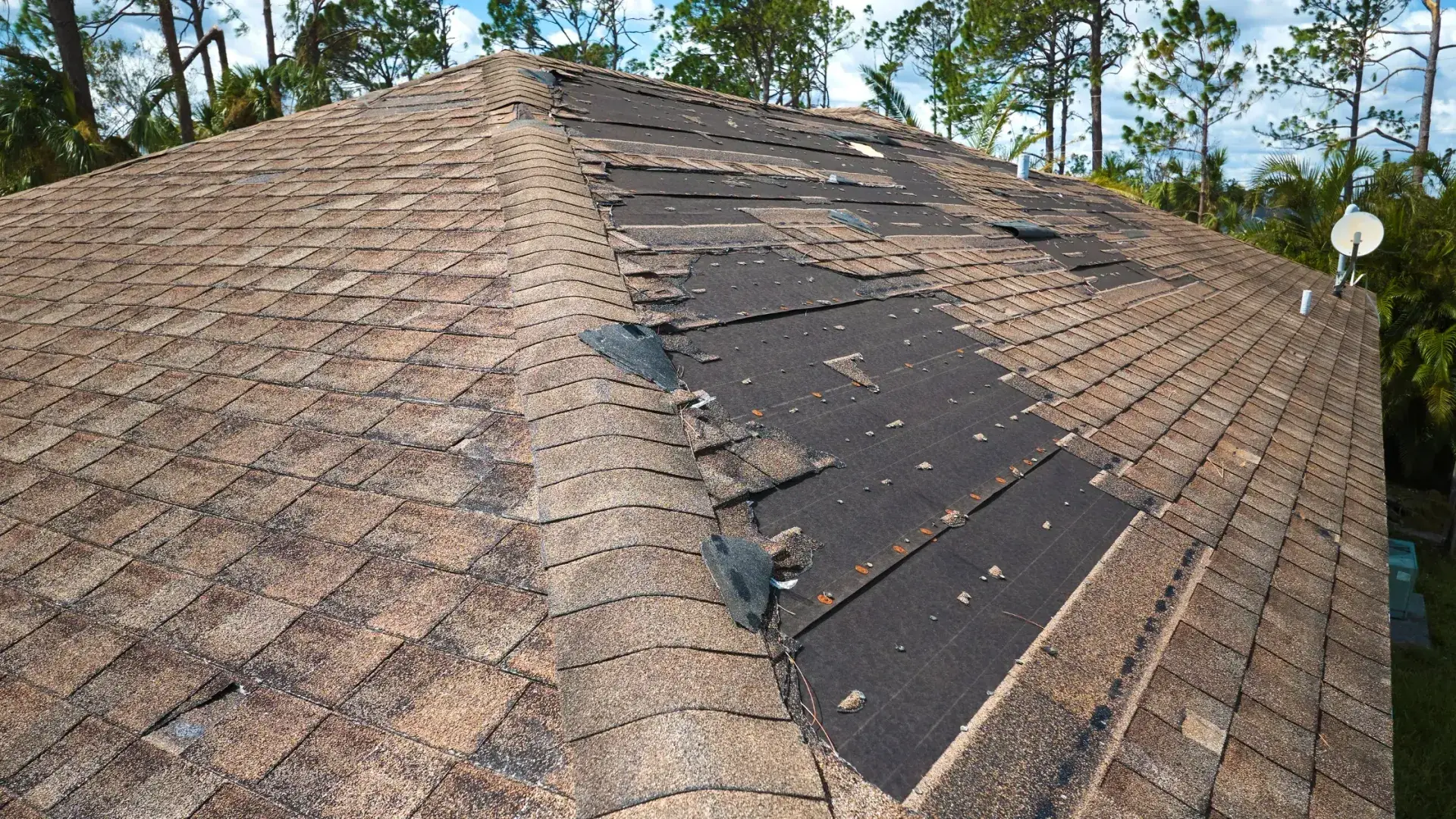
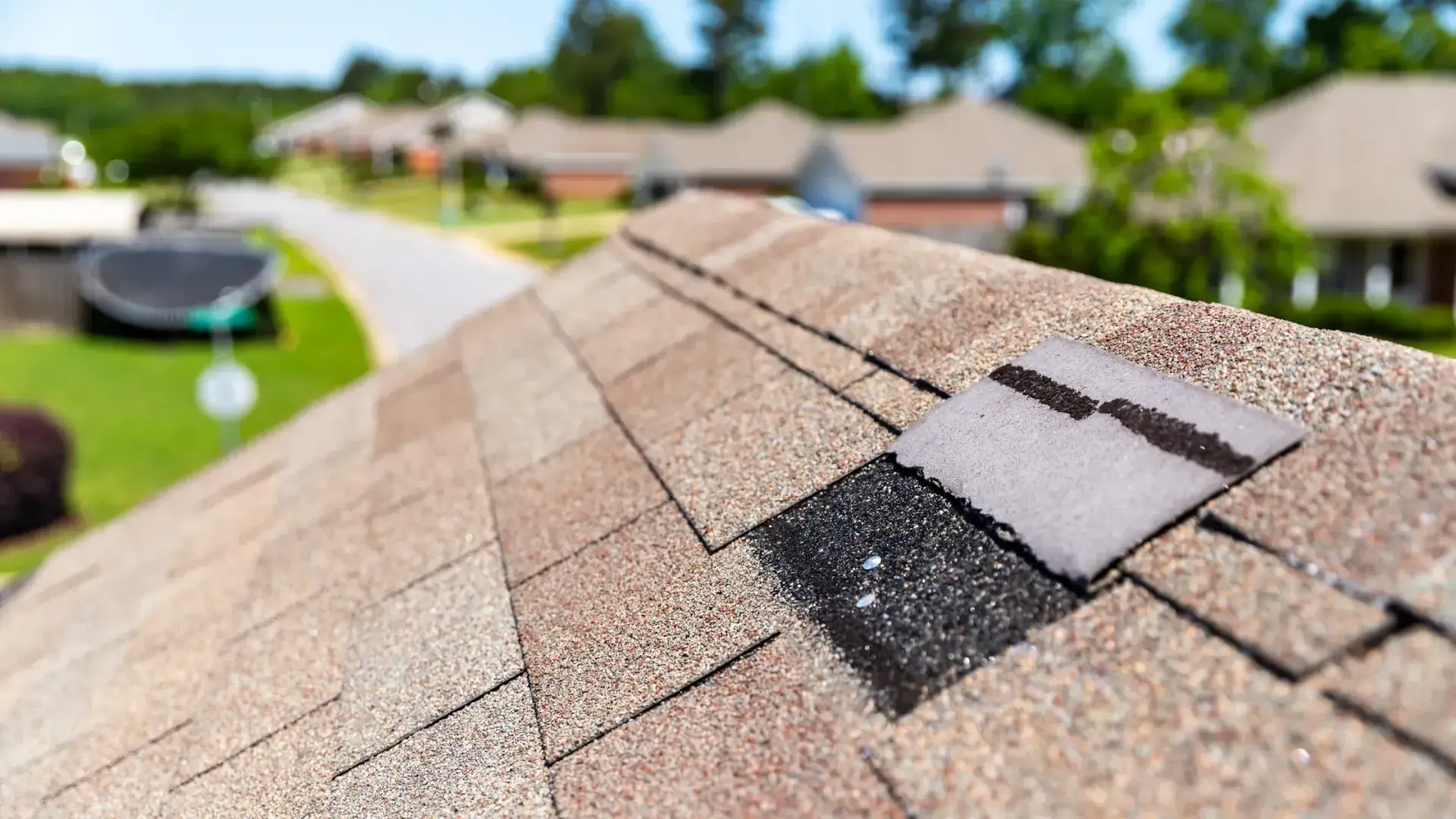
Storm damage shows itself in several ways. There are the obvious signs, like shingles in the yard or branches fallen on the roof. Others are harder to see, like hail bruising, lifted shingles, or flashing damage.
Common storm-related issues include:
- Missing shingles
- Lifted or creased shingles
- Hail marks or bruising
- Damaged flashing
- Roof leaks after heavy rain
- Granule loss
- Fallen branch damage
- Loose ridge caps
- Damaged vents or pipe boots
- Bent or detached gutters
- Exposed underlayment
- Water stains inside the home
- Damage around chimneys, valleys, or roof edges
If I can’t see any damage, is my roof fine?No! One of the biggest mistakes you can make is assuming your roof is fine because you don’t see a hole or active leak. A roof can be damaged without failing immediately.
Common Types of Storm Damage We Inspect
Storms can affect different parts of the roof system in different ways. Teal Ridge looks at the full picture, not just surface-level problems.
Wind Damage
Strong wind can lift, loosen, crease, or remove shingles. Even if the shingles settle back down in their correct position, the seal between them may be compromised. That can make the roof vulnerable to leaks or even worse damage in future storms. Wind damage often shows up as:
- Folded or creased shingles
- Lifted tabs
- Exposed nail heads
- Shingles found in the yard
If the damage is identified and fixed early, repair may be possible. As the damage scales, replacement may need to be discussed.
Hail Damage
Hail damage can be difficult to identify from the ground. From that perspective, the roof may look normal, much in the same way that your lawn may look flat from a distance. And like your lawn, a closer inspection of your roof may reveal that there are dips, divots, and dips in your shingles. These bruises to your shingles are the most insidious form of hail damage. Other damage, such as damaged gutters, downspouts, vents, and siding can be problematic, but are ultimately easy to see and straightforward to solve. Because Teal Ridge provides full roof repair, we can look beyond the shingles when evaluating storm damage.
Heavy Rain
The sound of water leaking through your roof is a sound that fills homeowners with dread. If flashing is loose, shingles are damaged, or various seals are failing, your roof may be at risk of leaking and causing further issues and damage to your house. After heavy rain, keep an eye out for the following symptoms:
- Ceiling stains
- Damp attic insulation
- Dripping around light fixtures
- Water around the interior of your windows
- Bubbling paint
- Musty attic smells
- Moisture around your vents or chimneys, especially those on the topmost floor.
Do not hesitate if you see any of these signs. Contact Teal Ridge for an inspection immediately.
Fallen Branch and Debris Damage
It doesn’t take a branch the size of a small tree to damage your roof. Small branches, tree limbs, or assorted wind-blown debris can break the seal that keeps the interior of your home safe. Look for any of the above that are stuck to the roof or have clearly struck the roof, as the damage caused by these can be difficult to see.
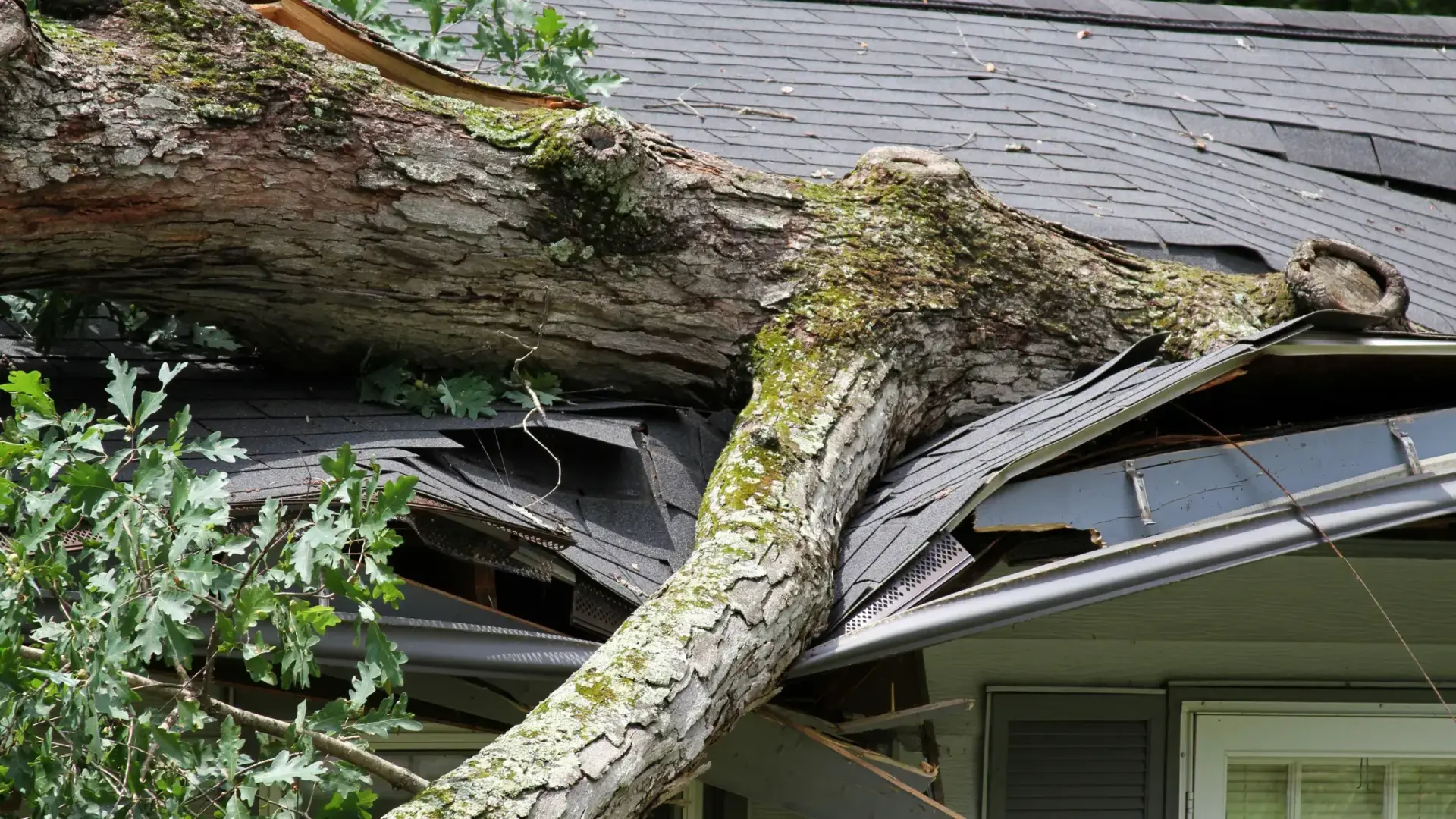
What to do after a storm hits your home
Knowing what steps to take after a heavy storm can confuse a lot of homeowners. Improperly done, trying to diagnose the problem yourself can cause further problems or even injury. Here’s the checklist for evaluating storm damage:
- Look for obvious signs from the ground. Check for shingles in the yard, fallen branches, damaged gutters, or other visible roof damage. Do not get on the roof.
- Check the interior. Look out for ceiling stains, attic moisture, or wet spots around ingress areas like chimneys, vents, or windows. If water is actively entering the home, contact a service provider ASAP.
- Document what you can safely see. Take photos of the visible damage from the ground. Good documentation can help your local professional diagnose the problem and can greatly speed up the process.
- Schedule a roof inspection. A professional inspection can help determine whether the roof has storm-related damage, and what next steps may look like.
- Get a clear recommendation before making a decision. Storm damage can lead to a repair, a replacement, or no immediate work at all. The point of the inspection is to get a clear answer on what your problems are so that you can make an informed decision.
For an inspection from someone you can trust, you can contact Teal Ridge to connect with the location nearest you.
Our Storm Damage Inspection Process
A professional inspection is different from a casual look at the roof. We are looking for the quiet signs of roof damage that often go unnoticed.
Inspecting the roof surface
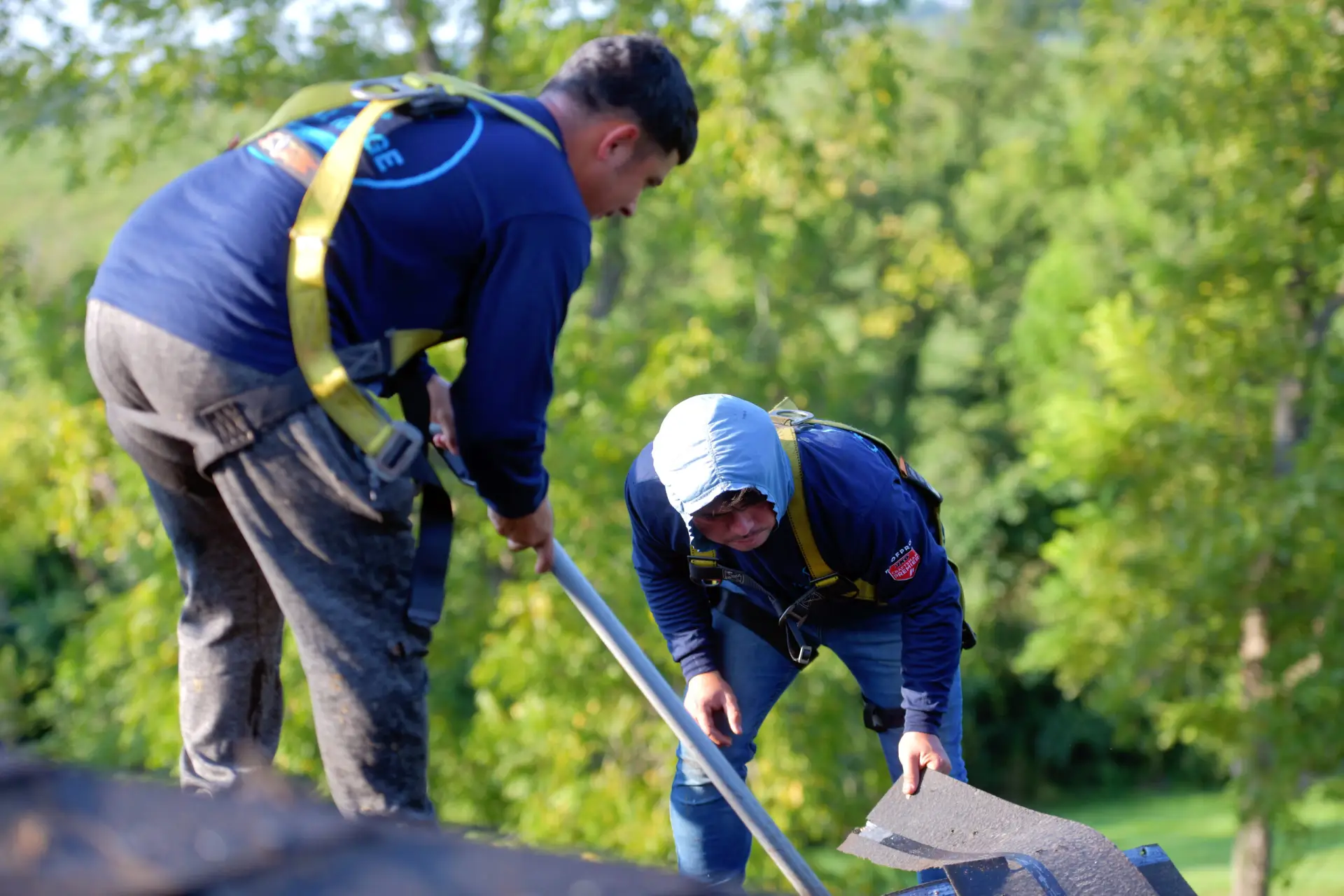
We look at shingles, ridges, valleys, roof edges, flashing, vents, and more during the course of our inspection. We check for visible damage, subtle damage, and everything in between that may have weakened the roof.
Reviewing vulnerable areas
Certain parts of the roof are more vulnerable to storm damage than others. Storm damage often appears around chimneys, skylights, vents, gutters, and roof edges. These areas are more likely to let water leak through when materials weaken or fail.
Documenting what we find
If damage is present, we document it with photos and clear notes. The documentation helps homeowners understand what we see, and can be helpful in working with insurance providers.
Finding the Next Step
There is only one part of our answers that is consistent: that we recommend what’s best for the homeowner, not for us. No matter what we find, we’ll be honest about what the next step looks like for your home. Some homes just need a simple repair. Some are a larger project, or might need a full replacement. The important thing to know is that we’re recommending what you need, not what we want to sell.
Storm Damage and Insurance FAQs
- Should I call my roofer or my insurance company first after storm damage?
Many homeowners start with the roof inspector so they can understand what damage is present before involving insurance claims. Teal Ridge can inspect the roof, explain what we find, and document visible storm damage so that you have a clear picture before you start your claim.
- Will insurance cover storm damage to my roof?
Coverage depends on your policy, the cause of the damage, and how your insurance company evaluates the claim. Storm-related damage may be handled differently than age-related wear, poor installation, or just general wear and tear. Teal Ridge does not make coverage decisions, but we can help identify and document visible roof damage.
- What kind of storm damage should be documented?
We recommend documenting any missing shingles, lifted/creased shingles, hail marks, flashing damage, fallen limb impact, interior water stains, and photos of visible damage around the home. See something that’s not on this list, but you feel is important? Document it anyway! Better to document now and not need it than lack it in the future.
- Can Teal Ridge help with the insurance claim process?
Teal Ridge was founded by an insurance adjuster, which gives our team a practical understanding of how storm damage is inspected, documented, and explained. We cannot guarantee claim outcomes or decide what your policy covers, but we can give you a clear roof assessment and help you understand what matters when talking with your insurance provider.
- Should I file an insurance claim for minor roof damage?
Not every roofing issue needs to become an insurance claim. If damage is minor or localized, a repair may be the simpler path. The best first step is to have the roof inspected, understand the extent of the damage, and then decide what makes sense as a solution for your specific situation.
Related Roofing and Exterior Services
Storm damage can lead in several directions depending on what the inspection shows.
Roof Repair
If the damage is limited to one area, a roof repair may be enough to restore protection.
Roof Replacement
If the storm caused widespread damage or exposed a roof already nearing the end of its life, roof replacement may be the better long-term option.
Roofing and Exterior Services
Because storms can affect more than just shingles, Teal Ridge also provides a broader range of roofing and exterior services for homeowners who need help with gutters, siding, windows, doors, or other exterior concerns.
Schedule a storm damage roof inspection
If your home was hit by wind, hail, heavy rain, or falling debris, do not guess about the condition of your roof. Teal Ridge Roofing & Exteriors can inspect the damage, explain what it means, and help you understand what the next steps look like.
Schedule a Free Roof Inspection
You can also contact Teal Ridge directly to connect with the location nearest you.